Engineering notebook
Alhambra: Beauty, and Engineering That Quietly Holds It Together
I finally visited the Alhambra in Spain this year.
I had been to that part of Spain in my youth, in my twenties, but I did not manage to visit the Alhambra back then. And somehow I also never made it back in between. So it was fantastic for me to finally be there.
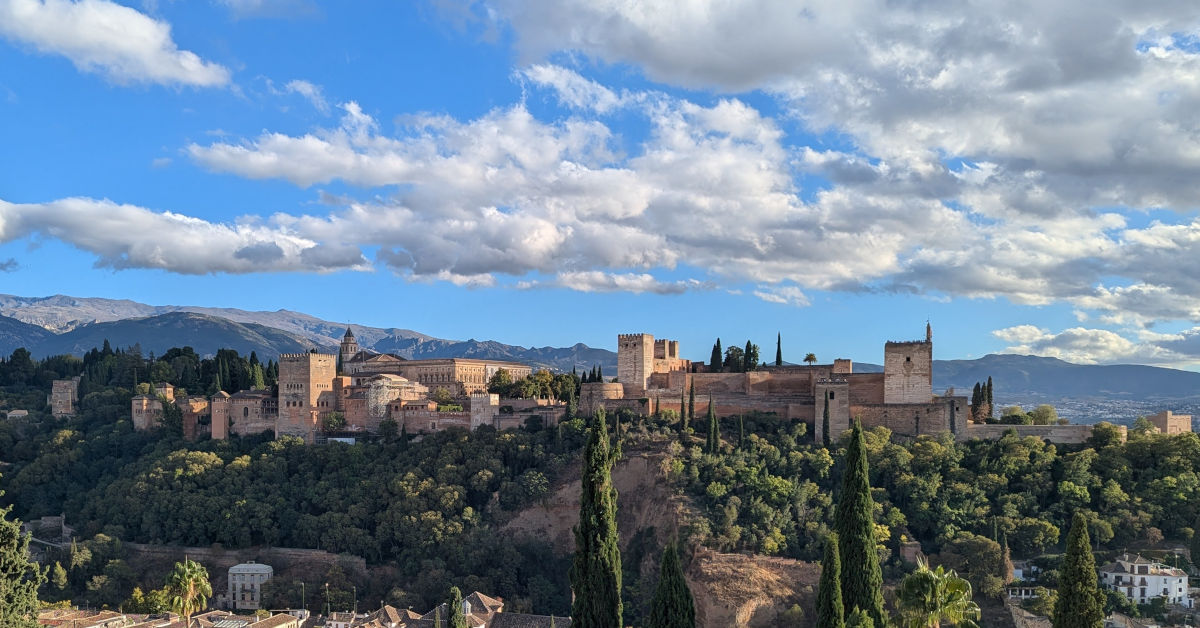
It is a marvelous place: history, art, craft, and an atmosphere that still pulls people in from all over the world. Even from a distance, it feels less like "a set of buildings" and more like a carefully composed system in the landscape.
What surprised me most, though, was the engineering behind it: the water supply.
Granada can be dry, and the Alhambra sits up on a hill. And yet there is water everywhere: channels, basins, fountains, gardens. Standing there, it is hard not to notice that this is not decoration alone. It suggests an infrastructure that brings water from elsewhere, stores it, and distributes it with care.
From what you can observe on-site, much of it appears to be designed around very basic principles: gravity, controlled flow, and thoughtful distribution. No fancy tricks. Mostly fundamentals. And the remarkable part is that the concept clearly still works, and some parts of the system seem to function to this day.
That hit me in a very familiar way.
In my day job (as you probably know, I build rsyslog), I spend a lot of time thinking about systems that should remain useful even when the world around them changes. One simple example is modularization: keep the core small, isolate responsibilities, make it possible to replace pieces without rewriting the whole thing. The details will always evolve, but the structure is what keeps it future-proof.
The Alhambra felt like a centuries-old reminder of the same idea: start with constraints, lean on fundamentals, and build something that can be maintained in real life.
And yes, it is also simply beautiful.